
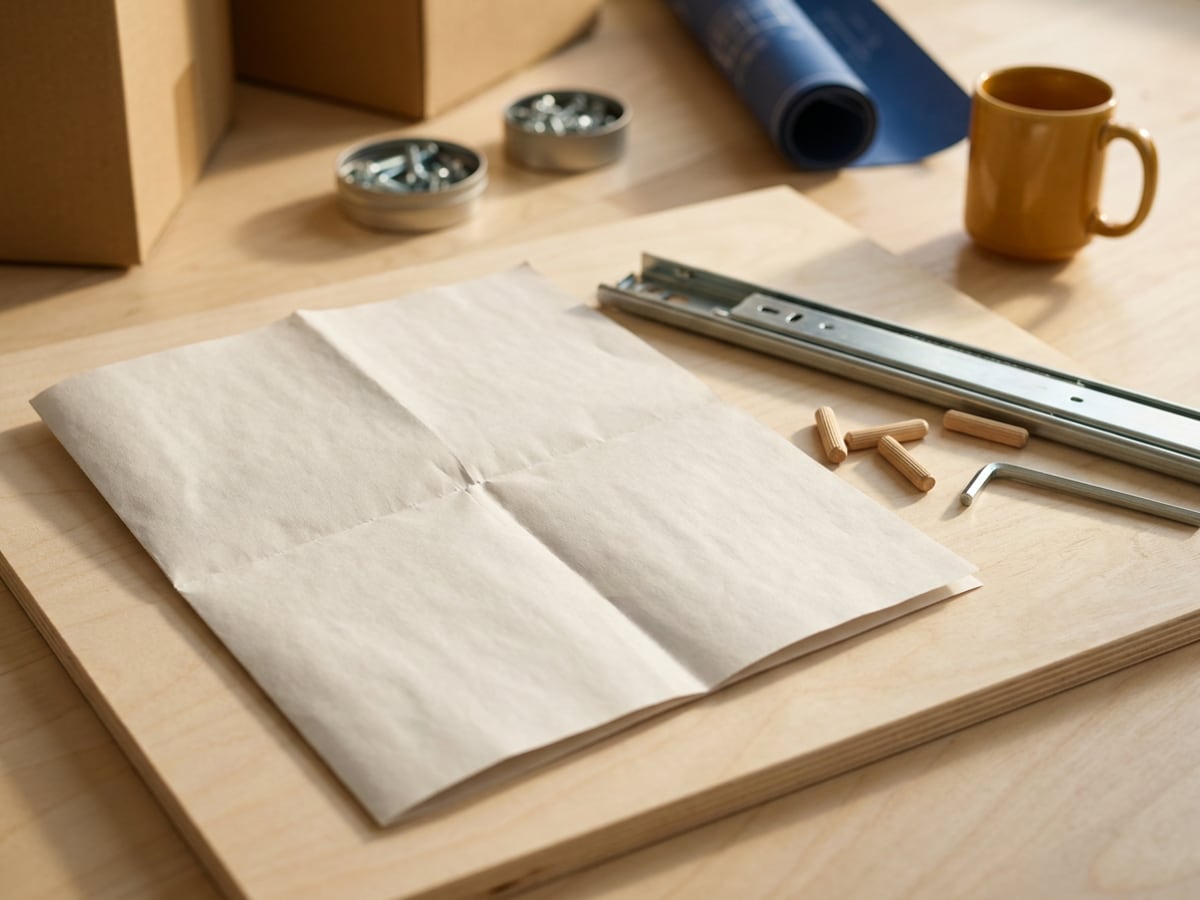
Decode cryptic manual pages
Breaks wordless diagrams into numbered actions, exact fasteners for just that step, and a prominent Watch Out: Easy to Flip warning before you tighten anything.
Snap a photo of a manual page, a backward panel, or leftover screws and get calm, step-by-step rescue guidance.
€0.05 per rescue check, charged only when the result is ready. Sign in with your Sensifai account.
Sample result
Drawer-runner orientation
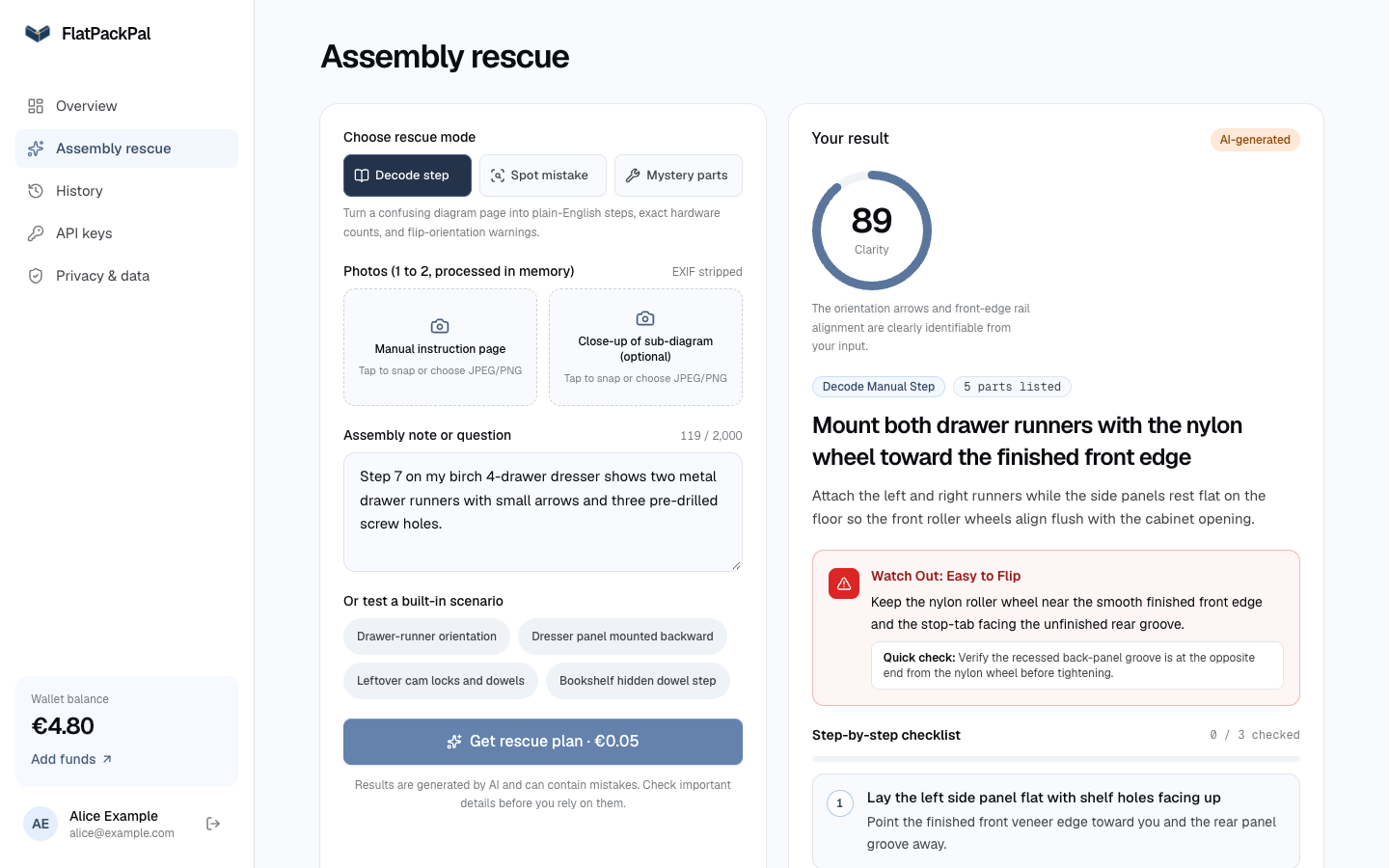
Step 7 on a 4-drawer birch dresser: diagram shows two metal drawer runners with small arrows and three screw positions on the inner side panels.
Attach the left and right slide rails while the side panels lie flat on the floor. Use the second and fourth pre-drilled holes from the front edge so the nylon wheel sits flush at the front opening.
Watch Out: Easy to Flip
Do not mount the runner with the angled stop-tab facing the back. The small nylon roller wheel must sit closest to the finished front veneer edge, and the back-panel groove must run along the opposite rear edge.
Snap one or two photos of a manual step, a half-built frame, or leftover hardware and get plain-English rescue guidance in seconds.
Choose Decode Manual Step, Spot My Mistake, or Mystery Parts Check depending on where your build stalled.
Upload a diagram page, your half-built frame, or leftover hardware spread on the floor, plus an optional note.
Tap off large plain-English steps one-handed, catch flip traps early, and verify every leftover screw.
Breaks wordless diagrams into numbered actions, exact fasteners for just that step, and a prominent Watch Out: Easy to Flip warning before you tighten anything.
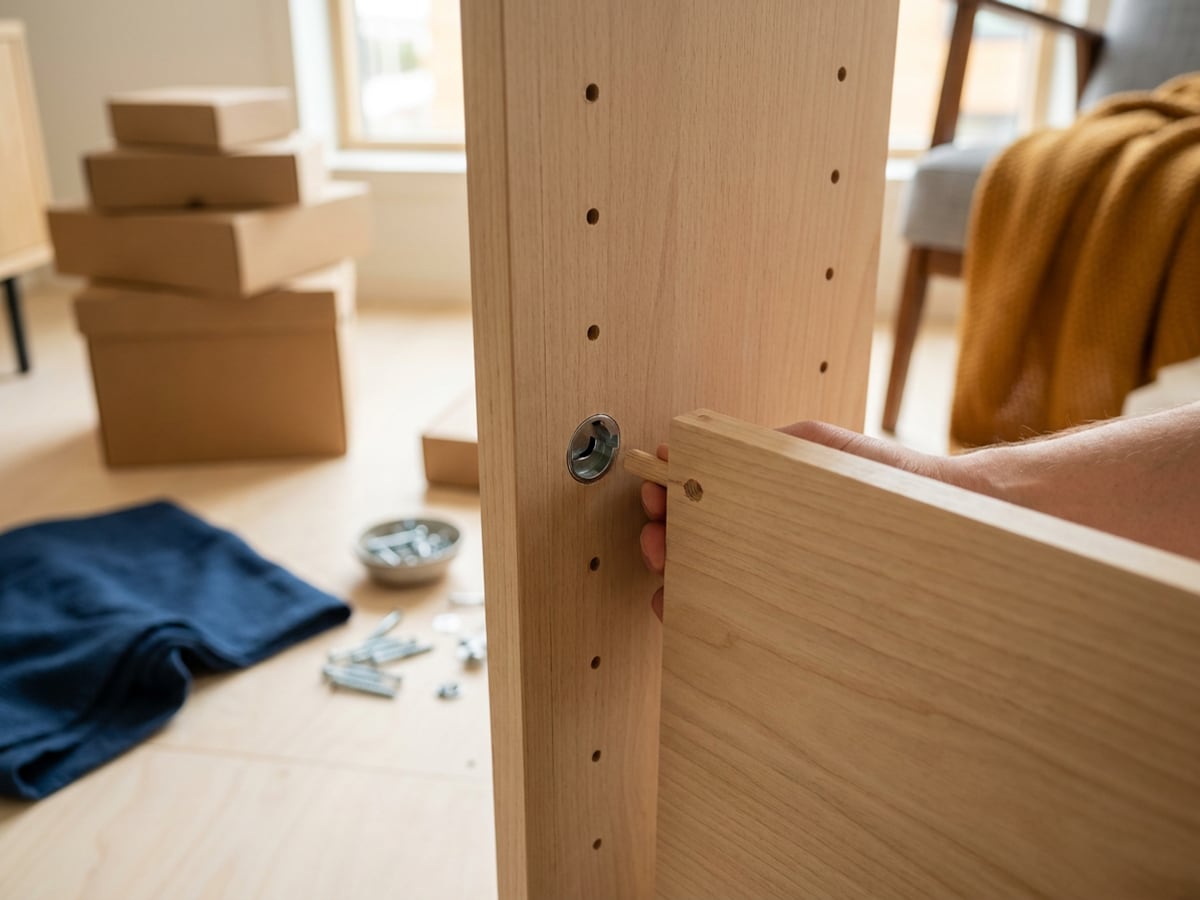
Compares the manual diagram against your half-assembled piece to spot upside-down boards or reversed runners and give the shortest rollback fix.
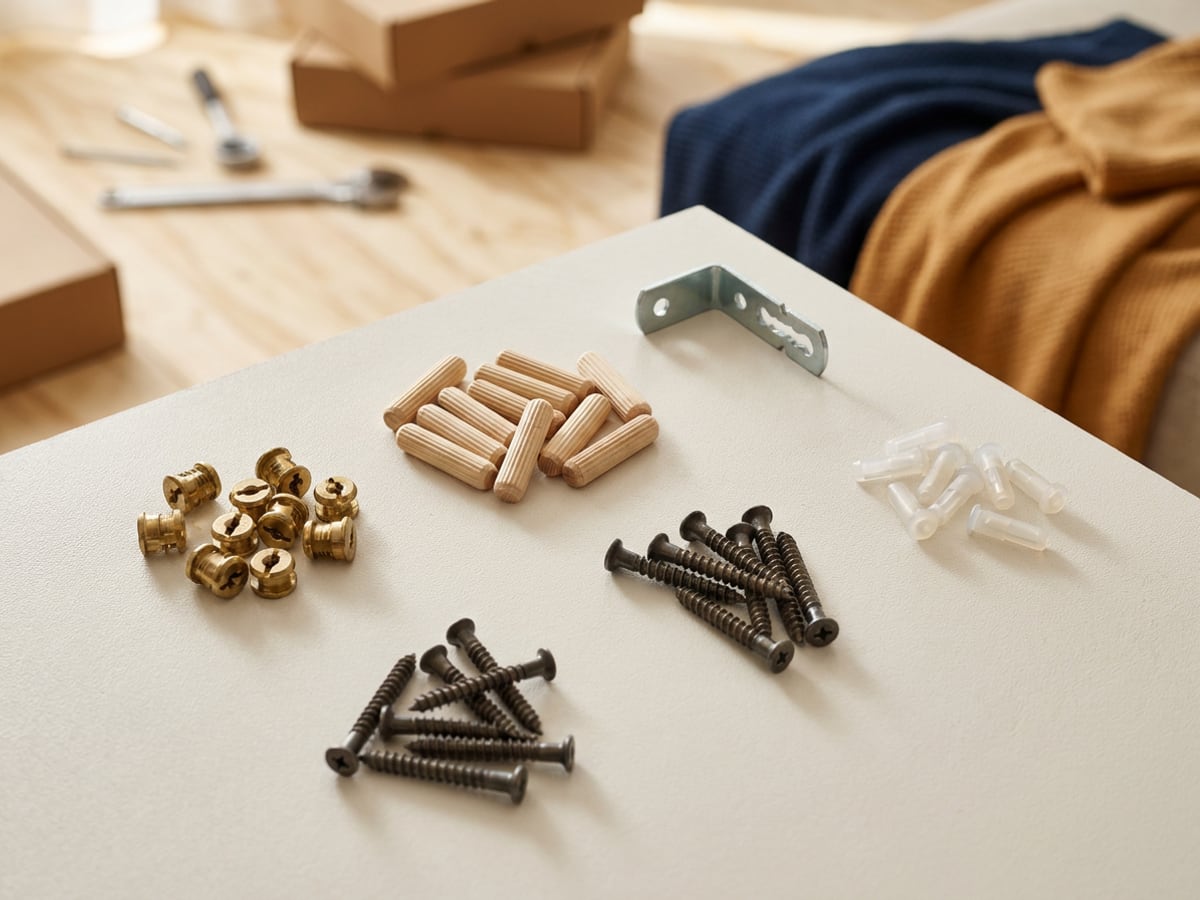
Spread leftover screws, cam locks, dowels, or brackets on a plain surface to see which are critical structural fasteners and which are likely factory spares.
Everything in one place: run an analysis, review results, manage API keys and your data.
Create a key in the workspace and call one HTTPS endpoint. Each successful call costs €0.05 and is charged to your Sensifai wallet.
curl -X POST https://flatpackpal.sensifai.com/api/v1/run \
  -H "Authorization: Bearer $API_KEY" \
  -H "Content-Type: application/json" \
-d '{"mode":"decode","note":"Step 7 shows two drawer runners with small arrows and three screw holes. Which way does the nylon wheel face?"}'{
"id": "run_7f3c2a91",
"result": {
"mode": "decode",
"headline": "Mount drawer runners with the nylon wheel toward the finished front edge",
"summary": "Attach both slide rails flat before standing the cabinet upright, keeping the wheel at the front opening.",
"confidence": 86,
"confidenceReason": "Clear orientation cues from the note; upload a photo of the manual page for exact screw hole numbers.",
"flipWarning": {
"active": true,
"title": "Watch Out: Easy to Flip",
"detail": "Keep the nylon wheel at the finished front edge and the rear stop-tab toward the unfinished back groove.",
"checkCue": "Check that the back-panel groove is at the opposite end from the runner wheel."
},
"steps": [
{
"stepNumber": 1,
"action": "Lay the side panel flat with pre-drilled shelf holes facing up",
"detail": "Finished edge toward you, back-panel groove away.",
"tool": "None"
},
{
"stepNumber": 2,
"action": "Secure the left runner wheel-end forward with flat-head screws",
"detail": "Verify the rail sits flush and level before tightening.",
"tool": "Phillips #2"
}
],
"hardwareNeeded": [
{
"name": "Flat-head runner screw",
"code": "Runner screw",
"quantity": 4,
"note": "Two per rail; keeps track clear for the drawer.",
"status": "required"
}
],
"visibilityNotes": [
"No photo attached; send 1 or 2 photos for exact part codes and screw hole indices."
],
"tipOverSafety": {
"applicable": true,
"reminder": "Anchor multi-drawer chests and dressers to a wall stud using the included anti-tip bracket."
}
},
"aiGenerated": true,
"charge": {
"amountEur": 0.05,
"currency": "EUR"
}
}Your Sensifai wallet covers this app and every other app on the marketplace.
No. Photos and notes are processed strictly in memory, stripped of EXIF location metadata before analysis, and never stored or logged on our servers.
FlatPackPal lists obscured part numbers or hidden hole patterns in its visibility notes and asks for a specific closer angle before recommending disassembly.
Only after a valid rescue plan is delivered. You can explore all four built-in sample scenarios free of charge, and failed requests never deduct from your wallet.
Yes. Create an API key in the workspace and send photos or notes to the HTTPS endpoint. Usage is billed per successful call to your wallet.
Yes. Guidance is AI-generated from visible diagram cues. Always dry-fit joints lightly and follow manufacturer wall-anchoring instructions for tall furniture.